The One Drive Worth Hiring a Car For: the South-West, Gate by Gate
7 min read
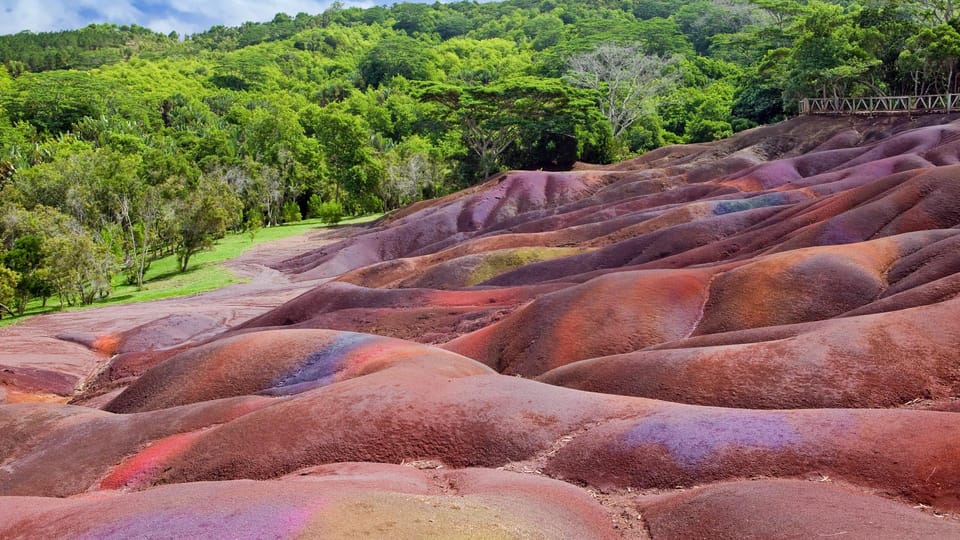
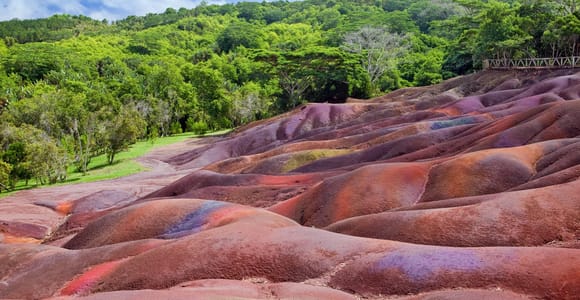
There is one road trip on Mauritius that repays the cost of the car, and it is not a list of beaches. It is the corner between Tamarin and Baie du Cap: a coast road, a climb into the forest, a plateau with the coloured earth on it, and a mountain that UNESCO listed for what happened on it rather than for the view.
It is also a day with hard deadlines in it, which is the part the photographs leave out.
How long it actually takes
Take the honest measure from the people who do it for a living. The guided versions of this same loop on this site run seven hours for the private south-west tour with pickup at €108 and for the exclusive south-west tour at €92, eight hours for one with pickup at €88.50, and nine for the Chamarel colours and waterfalls version at €109.95. All four are per-group prices for up to four people.
Those operators know the roads and do not stop for wrong turnings. Plan your own version at the upper end of that range, not the lower, and start it early.
The route, with its gates
Start on the west coast, at Tamarin or Flic en Flac, and go south. If you are coming from the central towns instead, you will pass the Palma roundabout on the way to Beaux Songes — a winding stretch lined with fruit stalls where pedestrians are frequently on the road and crashes are frequent too. It is the one piece of this drive that is dangerous because of traffic rather than terrain.
Climb to Chamarel. The plateau road up from the coast is the reason to be here and the reason to be careful. ASIRT singles out the 20.2-kilometre Black River Gorges National Park road between Chamarel and Chamouny: narrow, winding, heavily overhung so that shadow hides oncoming traffic, poorly lit, and popular with cyclists who have no lane of their own.
The geopark is the first fixed clock of the day. From its own visitor information: adults Rs 800, children aged 5 to 11 Rs 400, under 5 free. It opens at 8.30am and closes at 5.30pm from October to May, with the last tickets sold at 5pm — and at 5pm from June to September. Inside the gate there are three kilometres between the entrance and the dunes and no shuttle, which is where the car earns its keep for the second time in an hour. One ticket covers the waterfall viewpoints, the dunes and the tortoise park; climbing down to the waterfall on your own is prohibited and drones are not permitted.
Le Morne is the second and stricter clock. The gate is open 7am to 4pm every day including public holidays, and the latest time to start climbing is 2.30pm. Chamarel and Le Morne sit about twenty minutes apart, so the order of the day is forced: either Le Morne first thing, or Chamarel first and Le Morne as a view rather than a climb. You cannot do both properly after a late breakfast. The trail’s own figures — where the hiking path stops, and why — are worth reading before you set off rather than at the trailhead.
Black River Gorges is the free one and the flexible one. No ticket, no booking, around 60 kilometres of trail across 6,574 hectares of forest. It is what you do with a spare two hours, or the whole day if the coast is under cloud.
Two extensions, one of them serious
If the loop feels short, the road east from Le Morne along the southern edge is the continuation. It is also the one that needs stating plainly: the B9 coastal road between Grande Rivière Noire and Souillac runs with basalt cliffs on one side and the Indian Ocean on the other, lacks guardrails, is unlit and narrow, and has a genuinely dangerous hairpin bend at Maconde rock. Traffic on it can be heavy. Drive it in daylight, in dry weather, and not at the end of a nine-hour day.
The gentler extension is inland: the tea and rum country above Chamarel village. Which brings up the thing that decides whether you drive this route at all.
When the guided version is the better buy
If the day includes rum, hire a driver instead. La Rhumerie de Chamarel sits on the route and its restaurant serves from 11.30am to 3.30pm, Monday to Saturday including public holidays — exactly the hour you would be passing. But the prescribed alcohol limit in Mauritius is 20 milligrammes in 100 ml of blood, not the 0.05 most European visitors assume, and a first drink-driving conviction starts at a fine of Rs 20,000 and disqualification for a year. A tasting and a hire car are mutually exclusive here, and the south tour with rum tasting at €84 for up to six people exists precisely because of that.
If there are four of you, the sums change. Four people in a private tour at €83 pay about €21 each. A day’s hire plus fuel plus the excess you are carrying rarely beats that for a single day — the car makes sense across a week, not across this one drive.
If it has been raining, reconsider. Heavy rain here brings landslides and blocked roads, and it turns the Chamarel road’s shaded bends into something else entirely. Le Morne’s trail closes outright on a heavy-rain warning.
If you would be coming back after dark, move the day earlier. Rural lighting is inadequate, drivers here often do not switch their headlights on after dusk, and the verges are steep ditches without guardrails. This is a daylight route.
Summer and winter are not the same drive
The gate times shorten in winter. Chamarel closes half an hour earlier from June to September — which is the middle of the European summer holidays and therefore the version most visitors get. Le Morne’s 2.30pm cut-off does not move, but the light at the top of it does.
The weather risk moves the other way. Cyclone season runs roughly from November to May, which is when the landslides and blocked roads belong to. The dry, stable months for this particular drive are the same ones with the shorter opening hours. There is no month that gives you both, and the full picture of the seasons is worth having before you book the car rather than after.
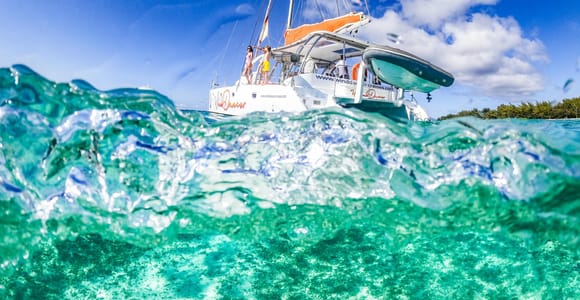
The lagoon below Le Morne changes too. The dolphin boats work the west coast in the early morning all year, and the rules about what may happen in the water are stricter than most booking pages admit — worth reading if the drive is going to end with a boat.
The version that works
Leave before seven. Le Morne first, on the early gate, and back down before the heat. Chamarel next, with enough of the afternoon left to drive the three kilometres inside the gate rather than resent them. Lunch at the plateau, without the rum. Then either the gorges on the way back north, or the B9 east if the weather and the clock are both on your side — and if they are not, that road will still be there tomorrow.
For the car itself, compare across suppliers rather than take the first rate; on this island the deposit and the excess differ between companies more than the daily price does. And if the whole thing sounds like a day you would rather be driven through, the full-day excursions go to exactly these four places, most of them for less than the hire would cost.