Do You Need a Car in Mauritius? The Honest Answer Is: It Depends on Two Things
Updated September 18, 2026 · 7 min read
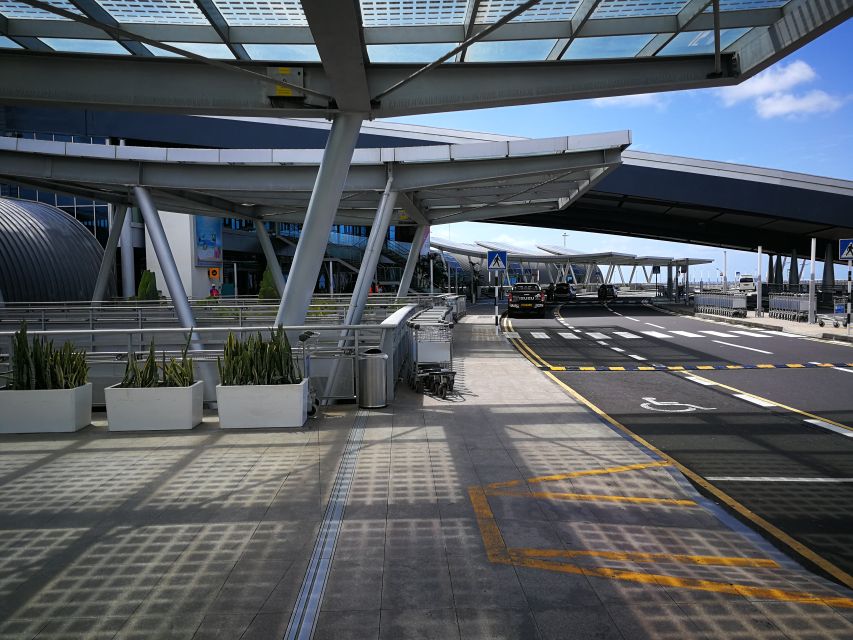
Mauritius is 65 kilometres from north to south and has 2,428 kilometres of road on it, of which 99 kilometres are expressway. Those two numbers between them explain why this question has no single answer: nothing here is far, and almost nothing here is fast.
What follows is not a recommendation to hire a car. It is the material for deciding, including the case for not bothering.
What the island gives you without one
The Metro Express is real and it is good. The light rail line runs from Port Louis to Curepipe, twenty stations, six of them next to bus stations, every day including public holidays from 6am to 7pm, every ten minutes. A rechargeable MECard costs Rs 150 for an adult and comes with Rs 100 of credit on it; a child card is also Rs 150 with Rs 50 of credit, a student card Rs 100, and travel is free for retired citizens aged 60 and over and for disabled citizens. Journeys bought on the card cost 5 to 10 % less than single-use tickets.
Note what that line does and does not do. It links the capital with the inland towns — Beau Bassin-Rose Hill, Quatre Bornes, Vacoas-Phoenix, Curepipe. It does not go to a single beach.
Buses reach everywhere the metro doesn’t. Several companies run them, including the National Transport Corporation, RHT Holding, Triolet Bus Service, Mauritian Bus Transport and United Bus Service. You buy the ticket on board, in cash, and the fare depends on how many stages you travel. Express routes exist to some destinations. The Association for Safe International Road Travel describes the network as generally reliable, which is a fair summary.
The catch is the evening. After the bus routes finish for the day, shared taxis take their place — these run fixed routes and leave when they are full. That is a workable system if you live here. It is a poor one if you have a dinner reservation and a nine-year-old.
Tourist taxis fill the gaps, on their own terms. Use only registered ones: a taxi sign on the roof and yellow squares on the doors. Most are not metered, so you agree the fare before you get in, and at night they have to be booked in advance rather than hailed. Hotels, bus stations and the airport are where they wait.
What the island does not give you without one
This is the part that decides it, and it is specific rather than general.
Chamarel charges you for a ticket and then asks for three kilometres. From the geopark’s own visitor information, it is three kilometres from the entrance gate to the coloured dunes, and there is no shuttle — you need your own transport or you walk it. A taxi that drops you at the gate has not got you there. The full set of opening hours and fees makes the same point about the rest of the island’s sights.
Le Morne opens its gate at 7am and will not let you start after 2.30pm. A hike that has to be over before the gate shuts at 4pm is a hike with a transport problem, and sunrise on Le Morne — the only 5.0-rated offer in our inventory with close to a thousand reviews behind it — starts in the dark.
Black River Gorges has 60 kilometres of trail and no ticket office. Entry is free, which also means there is no infrastructure built around getting you there.
The south-west, as a whole, is where the buses are thinnest and the sights are densest. That is not a coincidence; it is the interior.
The arithmetic, honestly
We will not quote you a daily hire rate. Rates here move with the season and with how far ahead you book, and a number printed in an article is a number that will be wrong by the time you read it — compare the current ones directly instead.
What we can put on the table is the cost of the alternative, because that comes from our own inventory and is checkable.
| Price | Covers | Reviews | |
|---|---|---|---|
| Private airport and hotel transfer | €48 | per group up to 2, 1.5 hours | 4.9 · 637 |
| Airport transfer for up to 3 | €49 | per group up to 3, 2 hours | 4.7 · 162 |
| Private south-west day with pickup | €110 | per group up to 4, 7 hours | 4.9 · 1,359 |
| Exclusive south-west day | €83 | per group up to 4, 7 hours | 4.8 · 543 |
Read the third and fourth rows carefully, because this is where most people miscalculate. Those are per-group prices, not per-person. Four adults sharing a private south-west day at €83 pay about €21 each for a driver who knows the road, and nobody has to think about the hairpins or stay off the rum. Build a couple’s week out of the same parts — two airport transfers at €48, plus three private day tours somewhere in the €83 to €110 band above — and you land between €345 and €426. That is the figure a week’s hire has to beat, not the figure a taxi has to beat.
Where the answer is no
A week in a northern or eastern resort with two or three excursions. The excursions include hotel pickup, the beach is outside, and a car spends six days in a car park.
Anyone who is not comfortable driving on the left on an unfamiliar road. More on that below, but it is not a formality here.
Anyone who wants a drink with lunch. Mauritius does not use the European 0.05 limit that travel guides tend to assume. The Mauritius Police Force publishes the prescribed limit as 20 milligrammes of alcohol in 100 ml of blood — 9 microgrammes in 100 ml of breath. That is less than half the usual European threshold and, for practical purposes, means nothing at all. A rum tasting and a hire car do not go together on the same afternoon.
A cruise passenger with one day ashore. The paperwork alone costs you an hour of it.
Where the answer is yes
Ten days or more, self-catering, and you intend to move around. The break-even arrives somewhere in the second week.
A base in the south or south-west. This is where the bus network is weakest, and where Chamarel and Le Morne — two of the island’s best days out — sit about twenty minutes apart.
Families with small children. Not because it is cheaper, but because a car seat that stays fitted, a boot that stays packed and a nap that happens on the way home are worth more than the difference. What the tours themselves allow at which ages is a separate calculation and worth doing first.
Anyone who wants the island early or late. Sunrise at Le Morne, the reef at low tide, the gorges before the tour buses — those are all before 8am, and the metro does not start until 6.
What driving here actually involves
None of this is a reason not to. It is a reason not to be surprised.
You drive on the left. The speed limits, as published by ASIRT, are 40 km/h in urban areas, 80 km/h on rural roads and 100 to 110 km/h on the two highways, M1 and M2. There are no toll roads.
Beyond the motorways, the roads are generally narrow with uneven surfaces, most are bordered by steep ditches, many have no guardrails, and lighting is inadequate — particularly in rural areas, which is where the sights are. There are few road signs, satellite navigation can be unreliable, and stray livestock on the carriageway is common. Drivers here frequently do not switch their headlights on after dusk. Mauritius records 10.8 road deaths per 100,000 people, against 2.3 in the UK; pedestrians make up an estimated 31 % of the fatalities, and riders of two- and three-wheeled vehicles about 46 %.
Rush hour into and out of Port Louis is heavy twice a day, and so are the approaches to the main towns.
The practical reading of all that: hire the car for the days you will use it, not for the whole stay; do your driving in daylight; and if the forecast turns, remember that heavy rain here brings landslides and blocked roads, and that cyclone season runs roughly from November to May — which the month you choose decides for you.
What it costs once you have said yes is the next question, and it is not the headline rate. It is the deposit, the excess and the things that appear at the counter — which have their own article, because a misunderstanding there costs real money.